
Search results
-
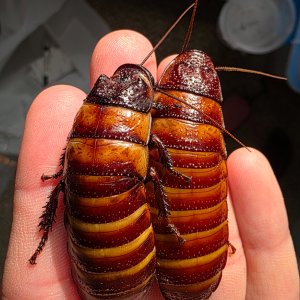
20251031_161309.jpg
- Hisserdude
- Media item
- Comments: 0
- Category: Cockroach Photo Gallery
-
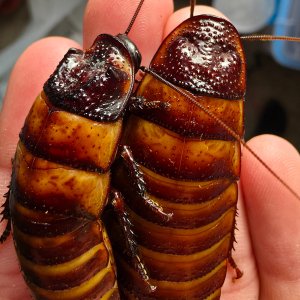
20251031_161328.jpg
- Hisserdude
- Media item
- Comments: 0
- Category: Cockroach Photo Gallery
-
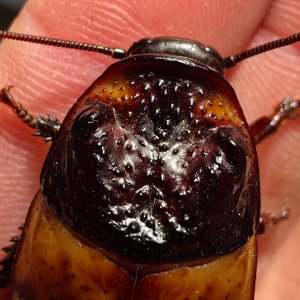
20251031_161429.jpg
- Hisserdude
- Media item
- Comments: 0
- Category: Cockroach Photo Gallery
-
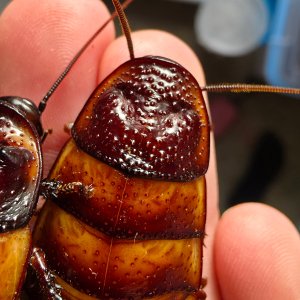
20251031_161331.jpg
- Hisserdude
- Media item
- Comments: 0
- Category: Cockroach Photo Gallery
-
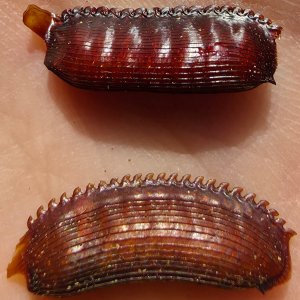
20251028_143220.jpg
- Hisserdude
- Media item
- Comments: 0
- Category: Cockroach Photo Gallery
-
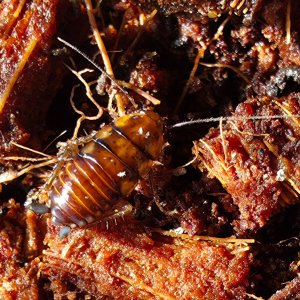
20251028_151043.jpg
- Hisserdude
- Media item
- Comments: 0
- Category: Cockroach Photo Gallery
-
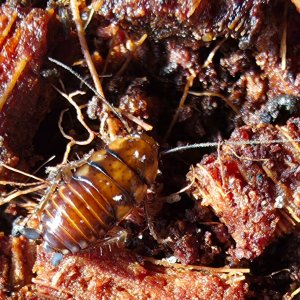
20251028_151040.jpg
- Hisserdude
- Media item
- Comments: 0
- Category: Cockroach Photo Gallery
-
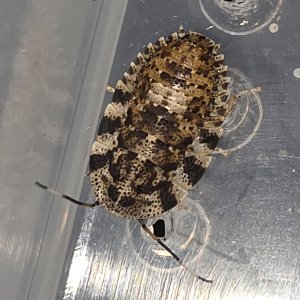
4495.jpg
- Hisserdude
- Media item
- Comments: 1
- Category: Cockroach Photo Gallery
-
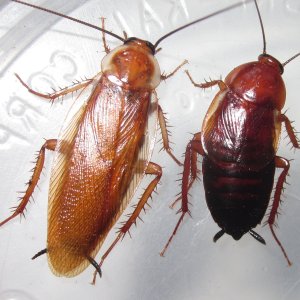
P.lata#7.JPG
- Hisserdude
- Media item
- Comments: 0
- Category: Cockroach Photo Gallery
-
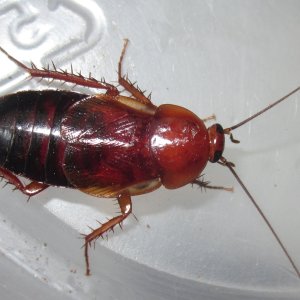
P.lata#3.JPG
- Hisserdude
- Media item
- Comments: 0
- Category: Cockroach Photo Gallery
-
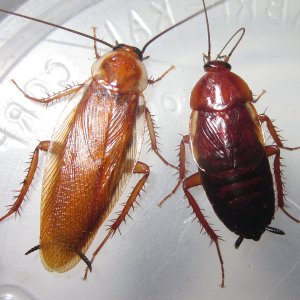
P.lata#5.JPG
- Hisserdude
- Media item
- Comments: 0
- Category: Cockroach Photo Gallery
-
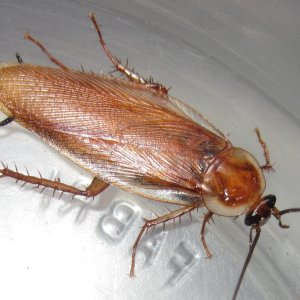
P.lata#1.JPG
- Hisserdude
- Media item
- Comments: 0
- Category: Cockroach Photo Gallery
-
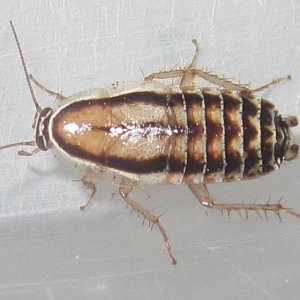
L.trivittata#4.JPG
- Hisserdude
- Media item
- Comments: 0
- Category: Cockroach Photo Gallery
-
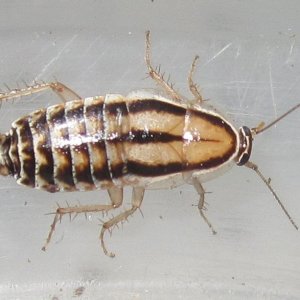
L.trivittata#5.JPG
- Hisserdude
- Media item
- Comments: 0
- Category: Cockroach Photo Gallery
-
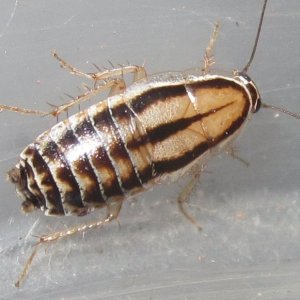
L.trivittata#7.JPG
- Hisserdude
- Media item
- Comments: 0
- Category: Cockroach Photo Gallery
-
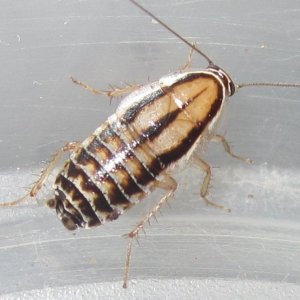
L.trivittata#1.JPG
- Hisserdude
- Media item
- Comments: 0
- Category: Cockroach Photo Gallery
-
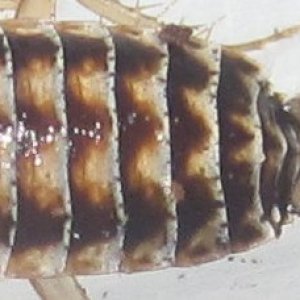
L.trivittata#3.JPG
- Hisserdude
- Media item
- Comments: 0
- Category: Cockroach Photo Gallery
-

Rochaina bilunata Ootheca
Thanks! And not at all, Nyctiboridae oothecae in general are really interesting in shape and texture!- Hisserdude
- Post #4
- Forum: Breeding and Nymph Issues
-
M. blaberoides ootheca
Honestly I'd put it inside a larger bin and have the lamp shining on that just so a larger environment is being heated, which will probably keep things more stable inside than the small container.- Hisserdude
- Post #3
- Forum: Breeding and Nymph Issues
-
Rochaina bilunata Ootheca
I recently was given the opportunity to work with Rochaina yet again! This time, an ootheca of R.bilunata (formerly a Paratropes species) from Costa Rica. The last time I had a Rochaina ooth (of R.peruana specifically) I failed to incubate it successfully. However, not only do I suspect that...- Hisserdude
- Thread
- Replies: 12
- Forum: Breeding and Nymph Issues